
Do all cryptocurrencies use blockchain
Cryptocurrencies are digital assets that are secured by cryptography. They use decentralized networks to transfer and store value, and the transactions are recorded in a publicly distributed ledger known as the blockchain mr green casino app. Transactions are verified by network nodes and recorded in a public distributed ledger known as the blockchain. Cryptocurrency transactions are secure, and are verified by a decentralized network of computers.
Coinlore Independent Cryptocurrency Research Platform: We offer a wide range of metrics including live prices, market cap, trading volumes, historical prices, yearly price history, charts, exchange information, buying guides, crypto wallets, ICO data, converter, news, and price predictions for both short and long-term periods. Coinlore aggregates data from multiple sources to ensure comprehensive coverage of all relevant information and events. Additionally, we provide APIs and widgets for developers and enterprise users.
Each of our coin data pages has a graph that shows both the current and historic price information for the coin or token. Normally, the graph starts at the launch of the asset, but it is possible to select specific to and from dates to customize the chart to your own needs. These charts and their information are free to visitors of our website. The most experienced and professional traders often choose to use the best crypto API on the market. Our API enables millions of calls to track current prices and to also investigate historic prices and is used by some of the largest crypto exchanges and financial institutions in the world. CoinMarketCap also provides data about the most successful traders for you to monitor. We also provide data about the latest trending cryptos and trending DEX pairs.
Are all cryptocurrencies based on blockchain
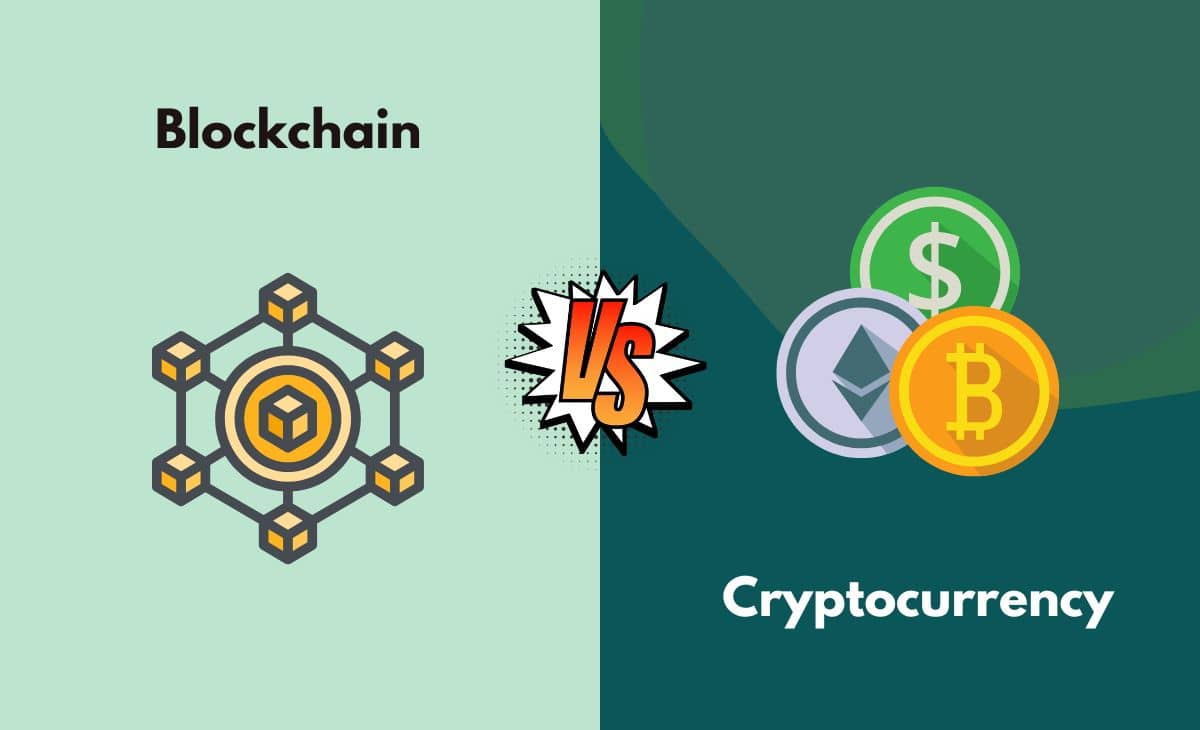
In a world where technology continuously redefines the boundaries of possibility, blockchain and cryptocurrency stand at the forefront of innovation. These groundbreaking technologies, often misunderstood as one and the same, hold the key to revolutionizing how we transact, secure data, and build trust in digital ecosystems. By distinguishing between blockchain’s foundational technology and cryptocurrency’s financial applications, you can unlock a deeper understanding of their roles in shaping the future, whether you’re an investor, entrepreneur, or tech enthusiast eager to explore new horizons.
A blockchain is a decentralized ledger of all transactions across a peer-to-peer network. Using this technology, participants can confirm transactions without a need for a central clearing authority. Potential applications can include enterprise blockchain applications, sustainability, tokenization, fund transfers, supply chain tracking and many other areas.
Cryptocurrency is a type of digital or virtual currency that relies on cryptography for security. Unlike traditional currencies like the dollar or euro, cryptocurrencies are decentralized and operate on blockchain technology. The most well-known cryptocurrency is Bitcoin, but there are thousands of others, including Ethereum, Ripple, and Litecoin.
An exchange allows you to trade without a third party. Should you decide to use an exchange, you’ll need to find buyers for your cryptocurrency. A broker can do that for you. The following steps can help you as you begin trading cryptocurrencies.
Teresa Halvorson is a skilled writer with a passion for financial journalism. Her expertise lies in breaking down complex topics into engaging, easy-to-understand content. With a keen eye for detail, Teresa has successfully covered a range of article categories, including currency exchange rates and foreign exchange rates.
Do all cryptocurrencies use blockchain
As in the IBM Food Trust example, suppliers can use blockchain to record the origins of materials that they have purchased. This would allow companies to verify the authenticity of not only their products but also common labels such as “Organic,” “Local,” and “Fair Trade.”
Bitcoin was the first cryptocurrency to see the light of day, back in 2009. But it wasn’t the cryptocurrency alone that prompted such international interest. Many believe that the more important novelty was Bitcoin’s underlying blockchain technology. Introducing decentralized peer-to-peer blockchains, the technology took the world by storm. For a few years, blockchain ledgers were the defining characteristic of any cryptocurrency. But that all changed with the official launch of IOTA.
While Bitcoin is considered to be the first cryptocurrency, several other attempts were made before to create a digital currency. American cryptographer David Chaum, in 1983, created the first digital money called eCash. Subsequent attempts gave birth to other cryptocurrencies such as E-Gold, Bit Gold and B-money, leading to the creation of Bitcoin in 2008.
Currently, data storage is centralized in large centers. But if the world transitions to blockchain for every industry and use, its exponentially growing size would require more advanced techniques to make storage more efficient, or force participants to continually upgrade their storage.